

Three Ways Caribbean Artists Keep Cultural Knowledge in Use
The CCF portfolio of projects features many that focus on cultural preservation. This month we look at three that take a hands-on approach. Three projects, three different methods, one shared premise: cultural preservation works better when people can experience it and not just read about it.
1. O.N.G. taught a folk dance through the body, not a textbook
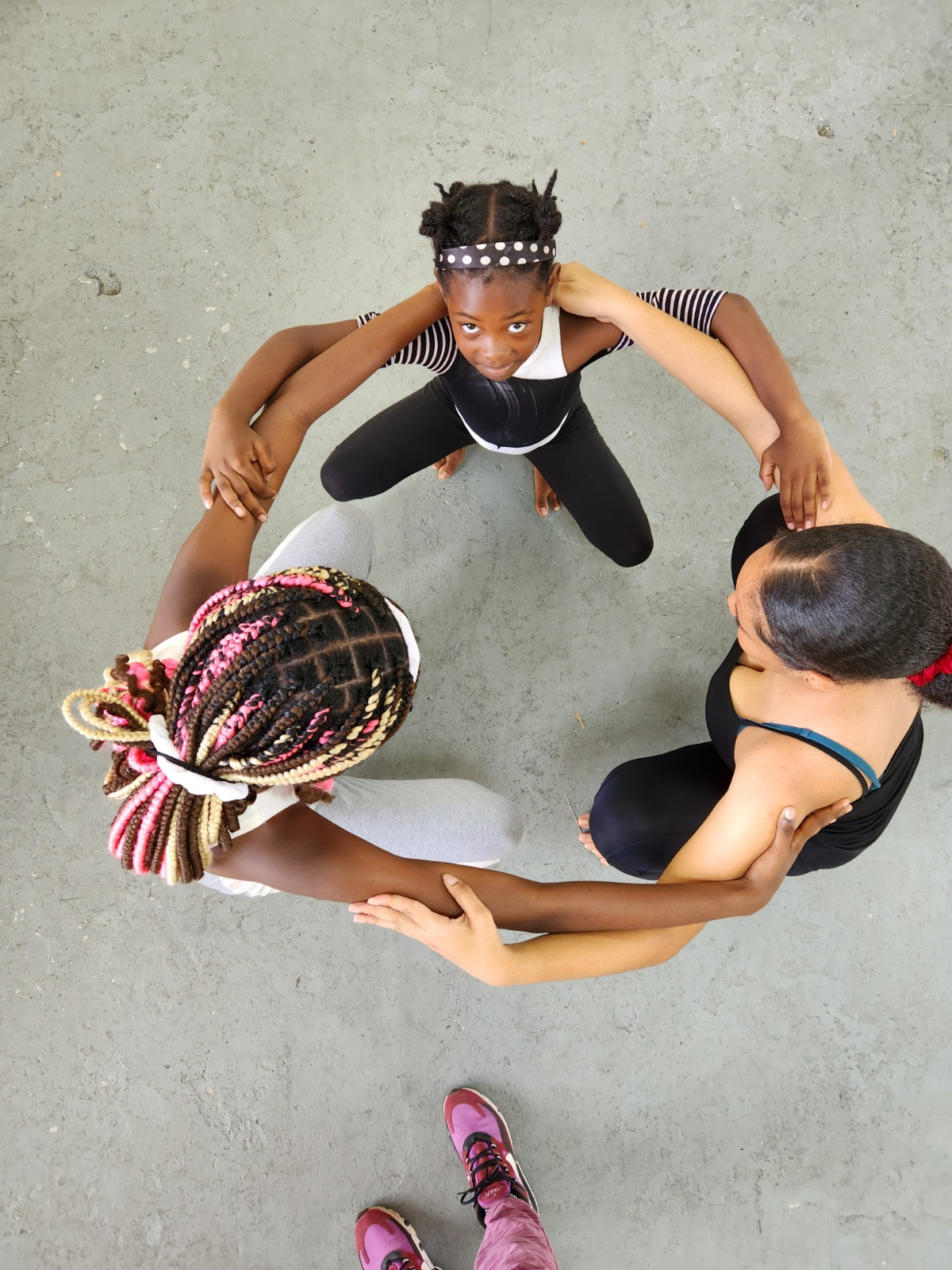
Operation Nex’ Generation — Jaykel Mars, Saint Vincent and the Grenadines
O.N.G. was developed as a creative arts programme for participants aged 10 to 16. Through practical workshops, they explored drama, folk dance, storytelling, folklore and Carnival traditions — learning each one’s form, performing it, and considering how it might be presented today rather than treating it as something belonging only to the past. A digital-content component taught participants to document and interpret Vincentian culture for wider audiences, pairing live instruction with the tools to share it.
The programme also served a longer ambition: an early foundation for a planned creative arts academy in Saint Vincent and the Grenadines, where participants could keep building artistic skills alongside their engagement with Vincentian culture.
2. Decoding the Baboon Dance put the research in Indigenous students’ hands
A Curriculum in Digital Humanities and Computational Ethnomusicology — Rohan Sagar, Guyana
Rohan Sagar’s project engaged students from four Indigenous communities in a six-month study of the Arawakan Baboon Dance, using research and computational methods to examine the music and its cultural context. Outputs included a prototype curriculum, community presentations and an online archive.
What mattered wasn’t only that the dance got documented — it was that the students connected to it took part in analysing and interpreting the tradition themselves, rather than receiving a finished account produced without their input. The curriculum supports future teaching; the presentations returned the research to local audiences; the archive offers another point of access without replacing the people and practices the material comes from.
3. Para Impresionar ¿A Quién? put Puerto Rico’s jazz history on stage
To Impress Whom? — Sofia Ramos, Puerto Rico
Sofia Ramos’s project centred the contributions Puerto Rican musicians made to jazz across the 20th and 21st centuries, both on the island and within New York’s Puerto Rican diaspora. It was built around concerts and public conversations at the Puerto Rico Conservatory of Music and the Plazoleta Ignacio Zorrilla in Bayamón, where performances were paired with the musicians’ own experiences, influences and journeys.
The format lets audiences hear the musical connections being discussed rather than just read about them, placing the compositions within a wider history of movement between Puerto Rico and New York. It broadened the familiar account of jazz by showing how Puerto Rican musicians carried rhythms, techniques and cultural references across locations — work shaped as much by migration as by composition.
“These projects excite us because they bring Caribbean history to life,” says CCF Grants Manager, Katharina Ehrmann. “Learning the dance, eating what our ancestors ate, and hearing the history and stories behind the music makes those connectios so much more real.”